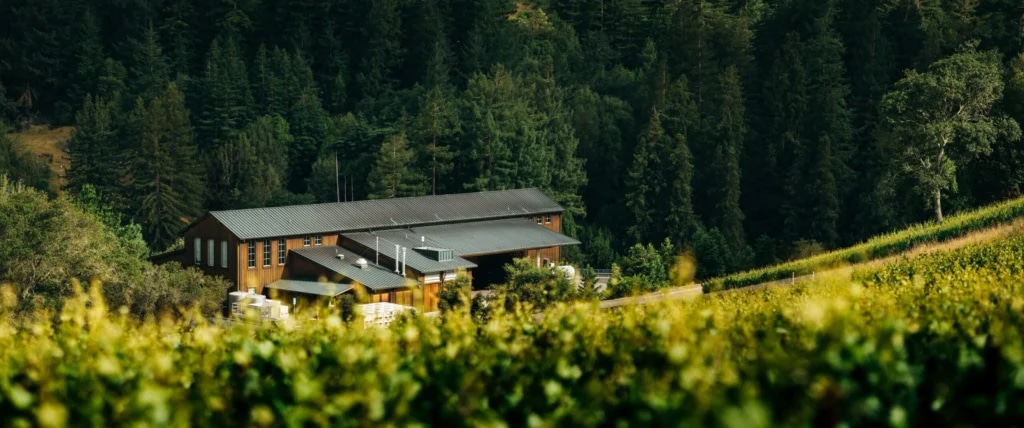
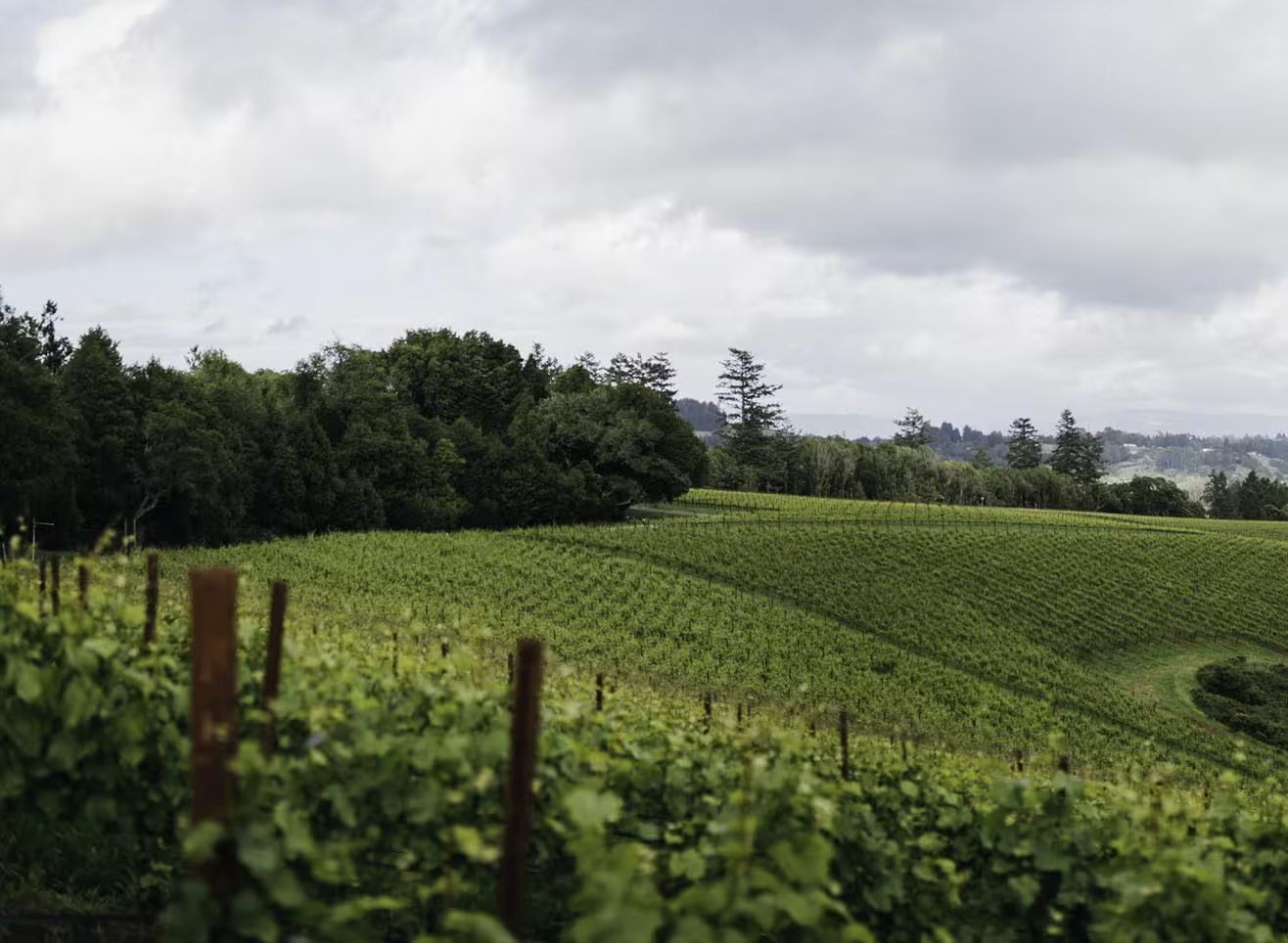
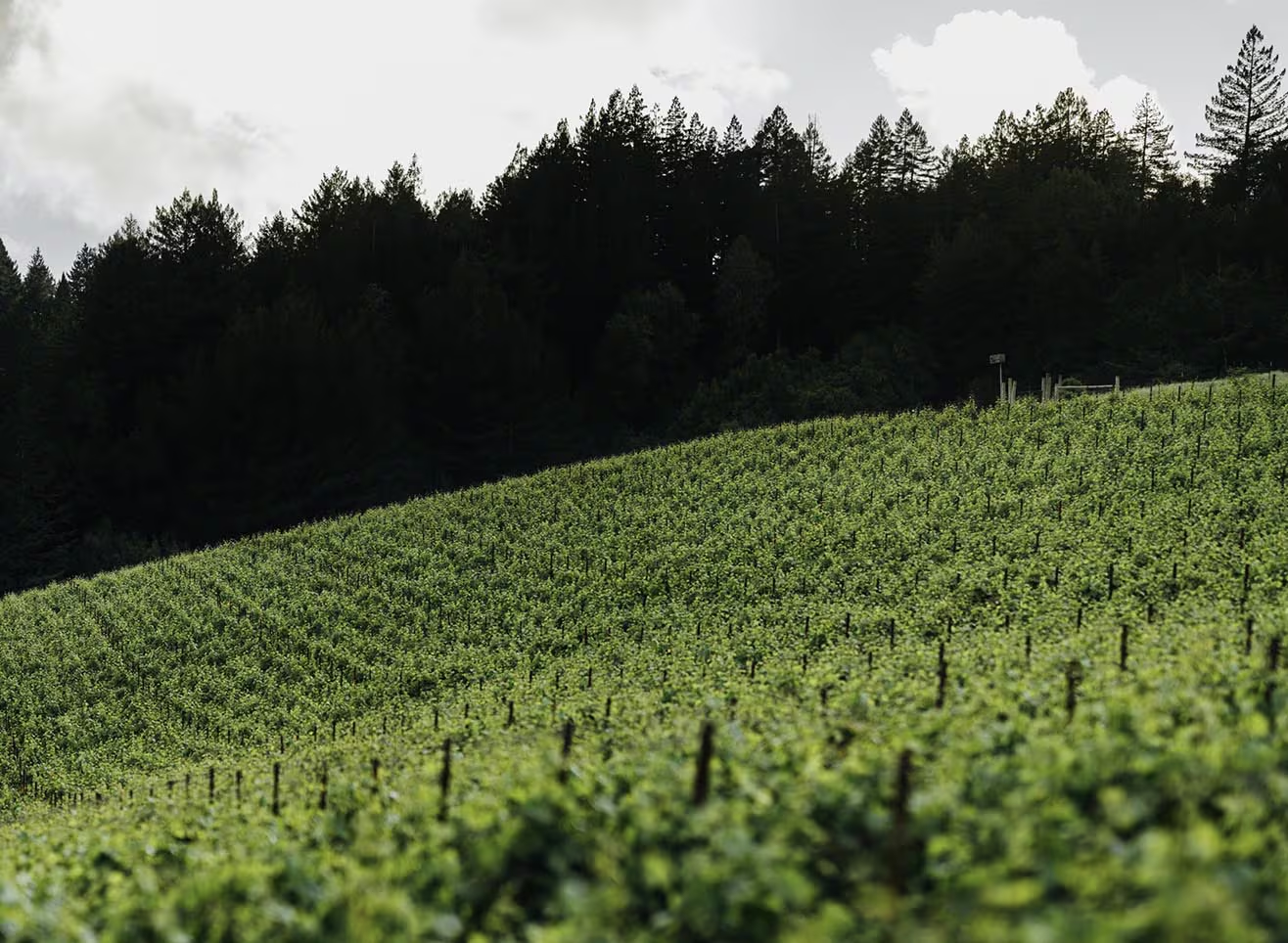
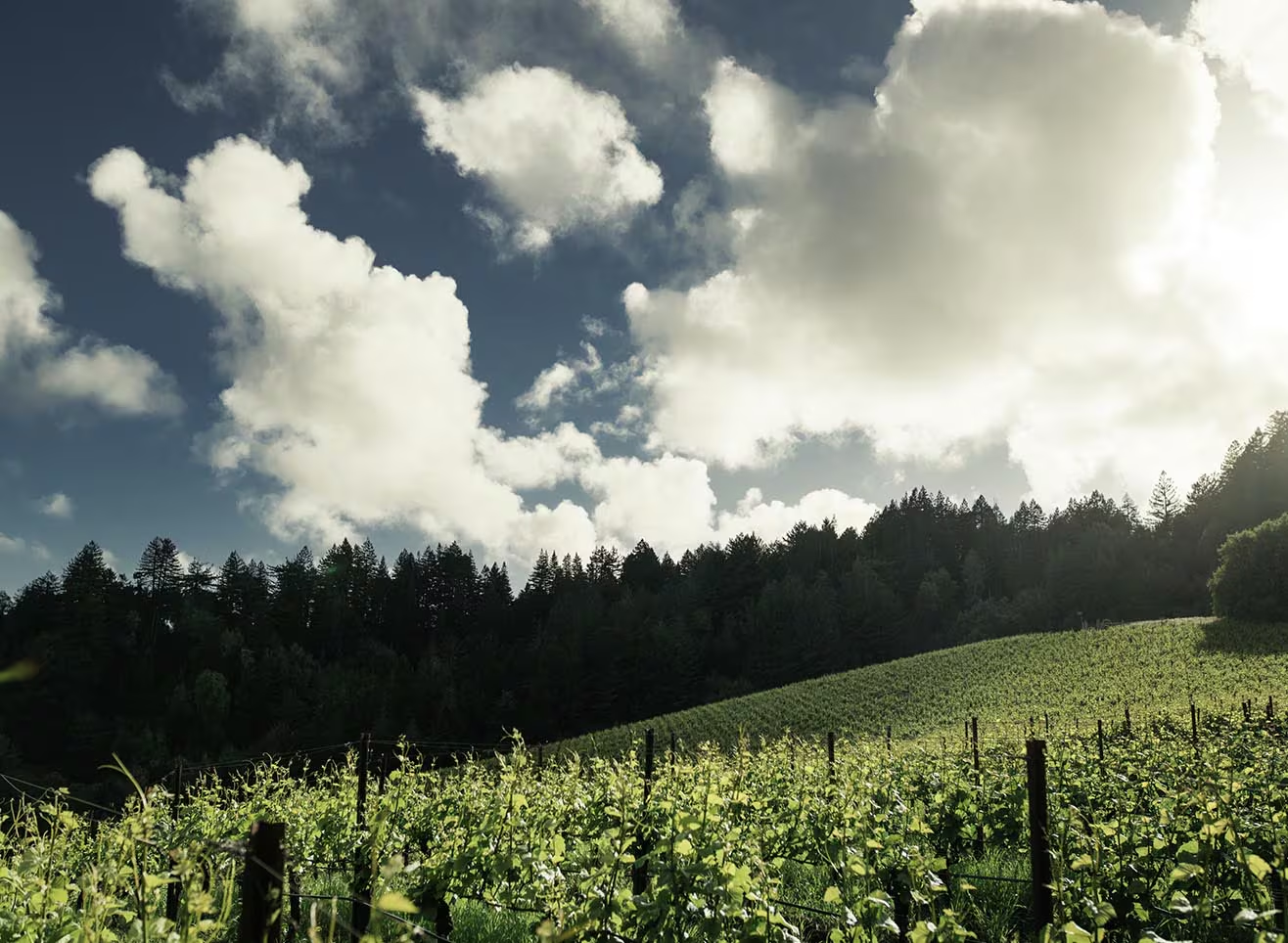
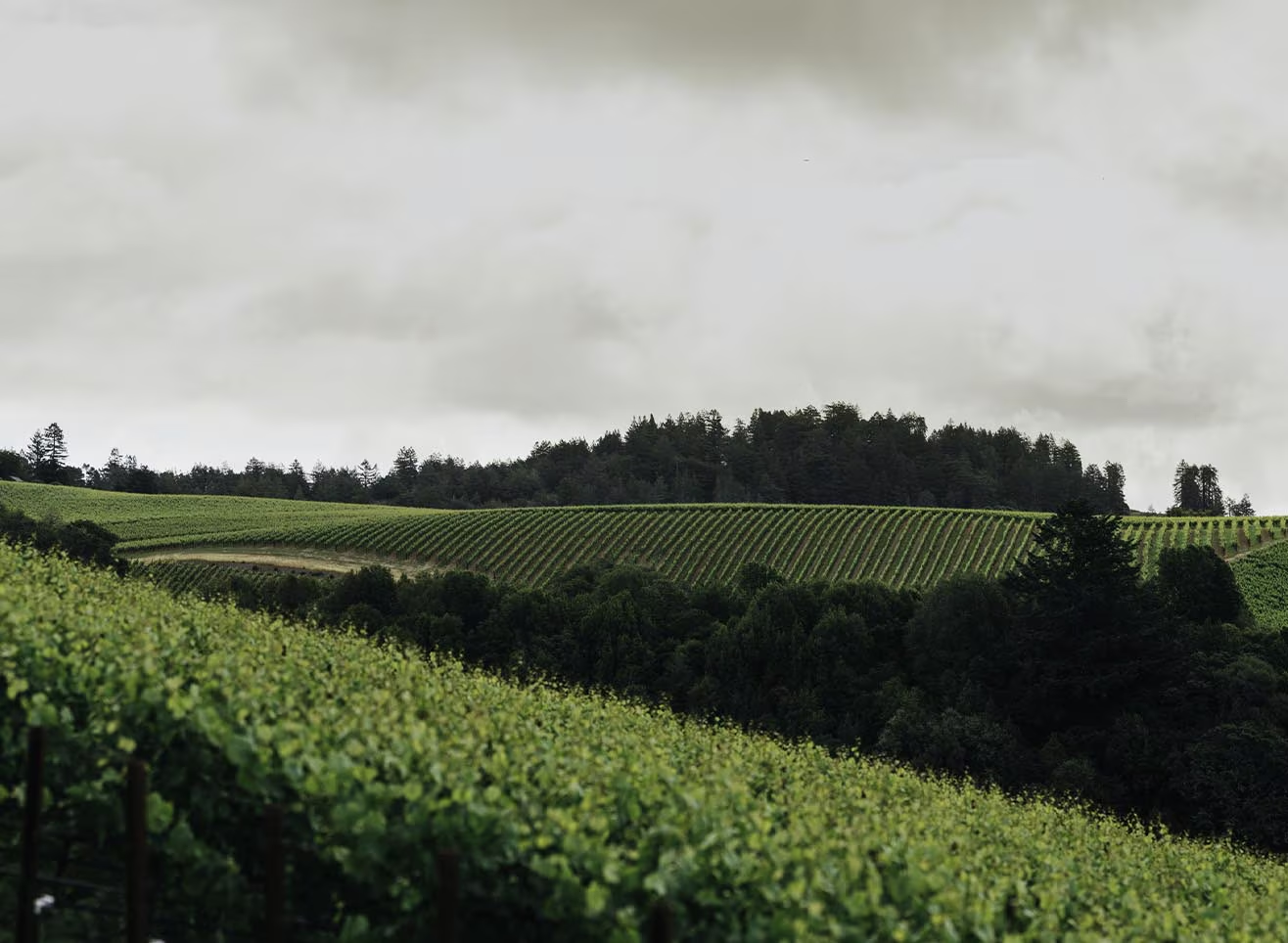
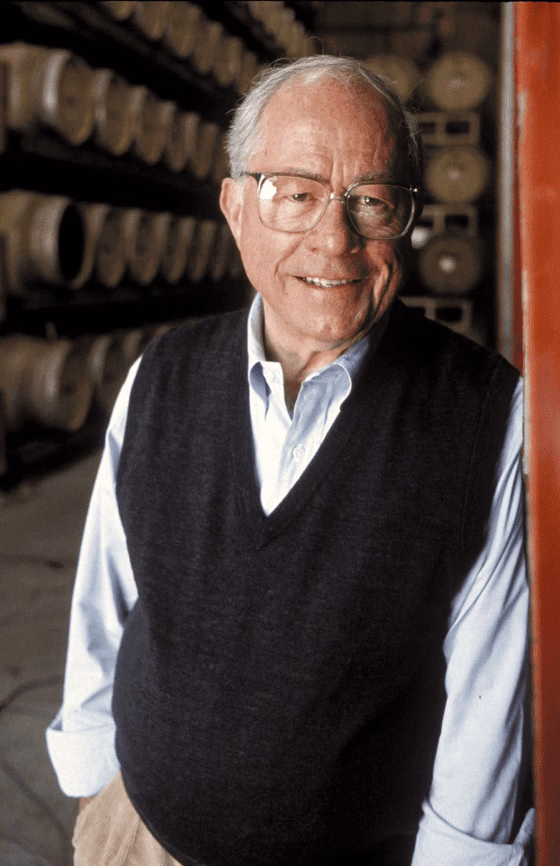
In the 1990s, Joseph Phelps discovered a place of beauty and potential—a fog-swept edge of the Sonoma Coast where he built Freestone – two estate vineyards producing singular wines of elegance, precision, and profound expression of place.
Joseph Phelps was a pioneer who never stopped asking, “What’s next?” After establishing Joseph Phelps Vineyards in Napa Valley in 1973, he discovered Freestone in the 1990s—a remote corner others had dismissed. He purchased raw, unplanted land and built Freestone from nothing. His ability to see potential where others saw limitations live on in these wines. Freestone embodies Joe’s pioneering spirit—enduring and uncompromising.
“People said the region was too cold, too wet, too windy for grapes.”
— Justin Ennis, Winemaker Sonoma Coast
Finding Freestone
In the late 1990s, Joseph Phelps set out on a singular quest: to find the ideal California terroir for Chardonnay and Pinot Noir. His search led him to a place no one suspected – a tiny, unincorporated town called Freestone, tucked away off a quiet highway heading toward the Sonoma Coast. Joe’s peers and friends deemed it too cold, too rugged, too remote for serious winemaking. But Joe saw something different.
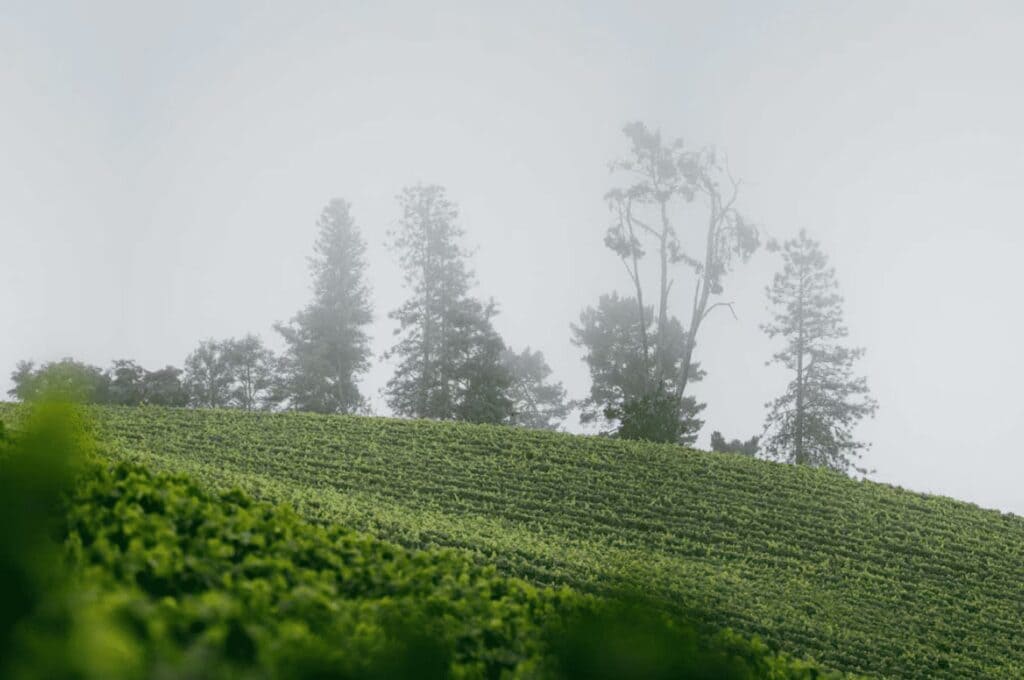
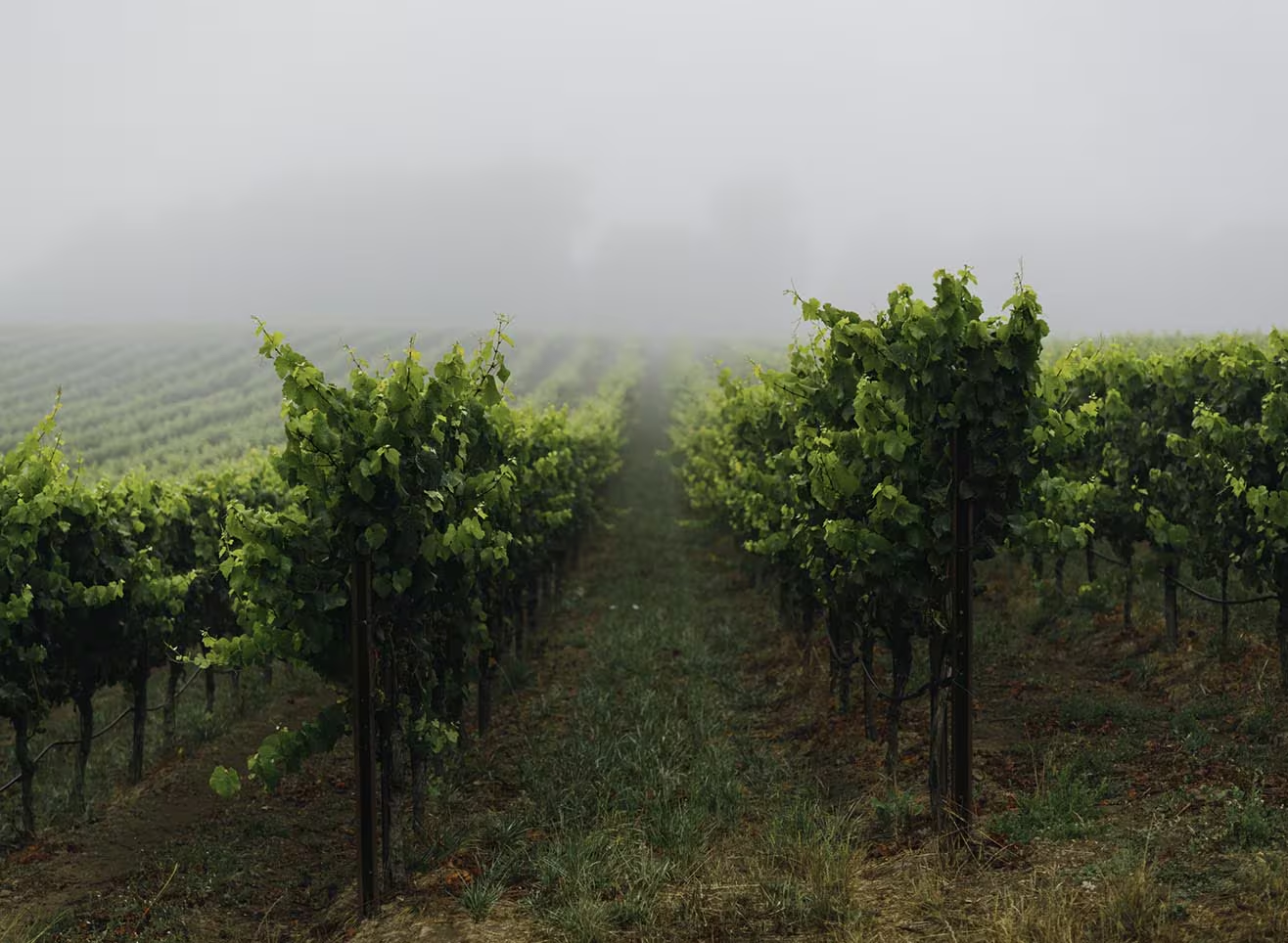
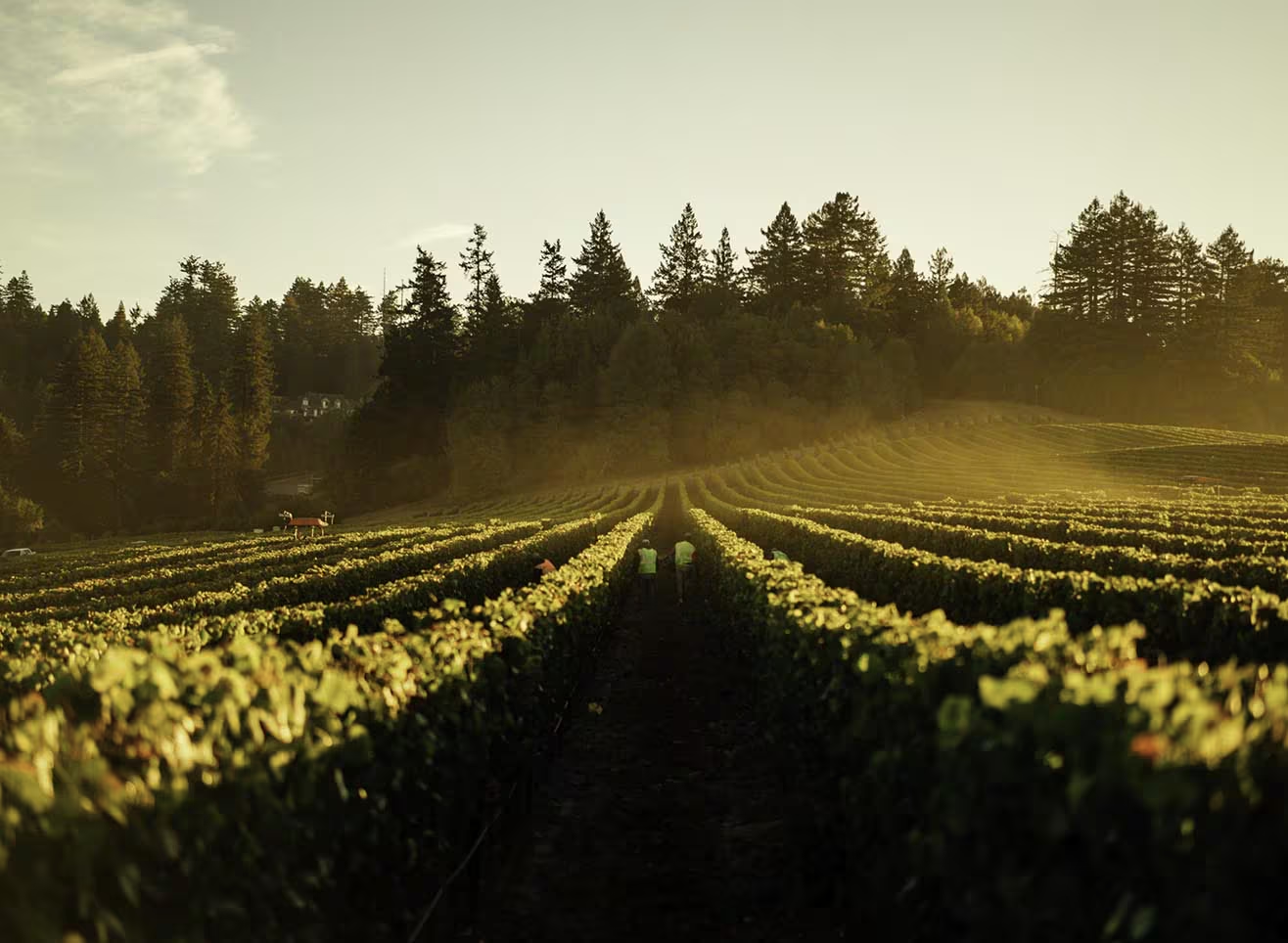
He recognized a rare convergence of elements: fog that lingers through the late morning, wind that sculpts the hillsides, soils shaped by ancient marine sediments, and long, cool seasons that could coax exceptional clarity and tension from the vines. This was a micro-climate unlike any other, capable of producing wines with purity, precision, and profound expression of place.
PASTORALE VINEYARD
QUARTER MOON Vineyard
The History
Freestone’s origins trace back to the early innovative years of Joseph Phelps Vineyards, when Joe and his first winemaker, Walter Schug, started exploring Pinot Noir and Chardonnay. By the mid-1990s, Joe and his son, Bill, were searching for colder sites, which led them to the fog-heavy Freestone area — remote, challenging, and completely untested.
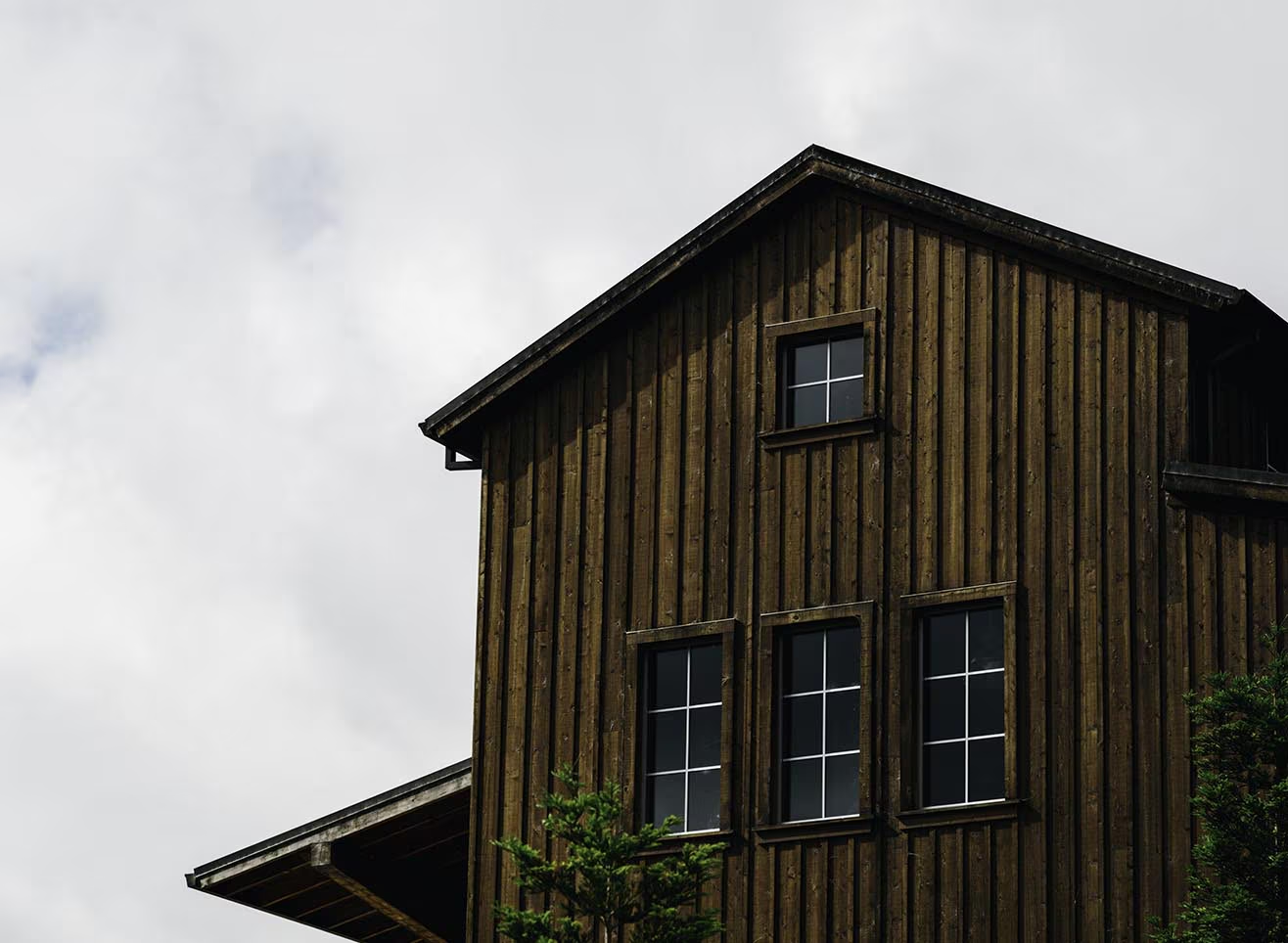
In 1999, the family acquired Pastorale Vineyard, and soon after added Quarter Moon Vineyard. Early vintages were made at the Joseph Phelps winery in St. Helena until the Freestone winery was built and opened for the 2007 harvest. Over the decades these wines have been available only to members of the Phelps Preferred club and at the winery. As people have discovered and enjoyed these wines over the past two decades, excitement and demand have grown significantly. Now for the first time, Freestone Vineyard designates are coming to the market.
Looking Ahead
Freestone’s next chapter is grounded in agroecology – also known as regenerative farming – nurturing nature’s full biodiversity in the soil and the vineyards, and a deeper expression of coastal nuances.