Learn
Wines
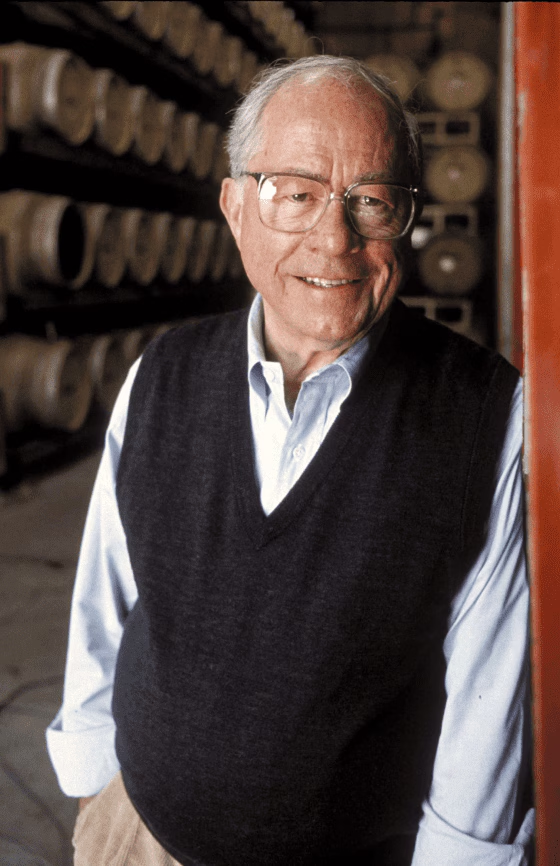
Our founder Joe Phelps had remarkable foresight. Today, we farm 11 vineyards in the acclaimed AVAs of Napa Valley and the western Sonoma Coast. Both sites are run by full-time staff, some of whom have worked for the winery for over 40 years.
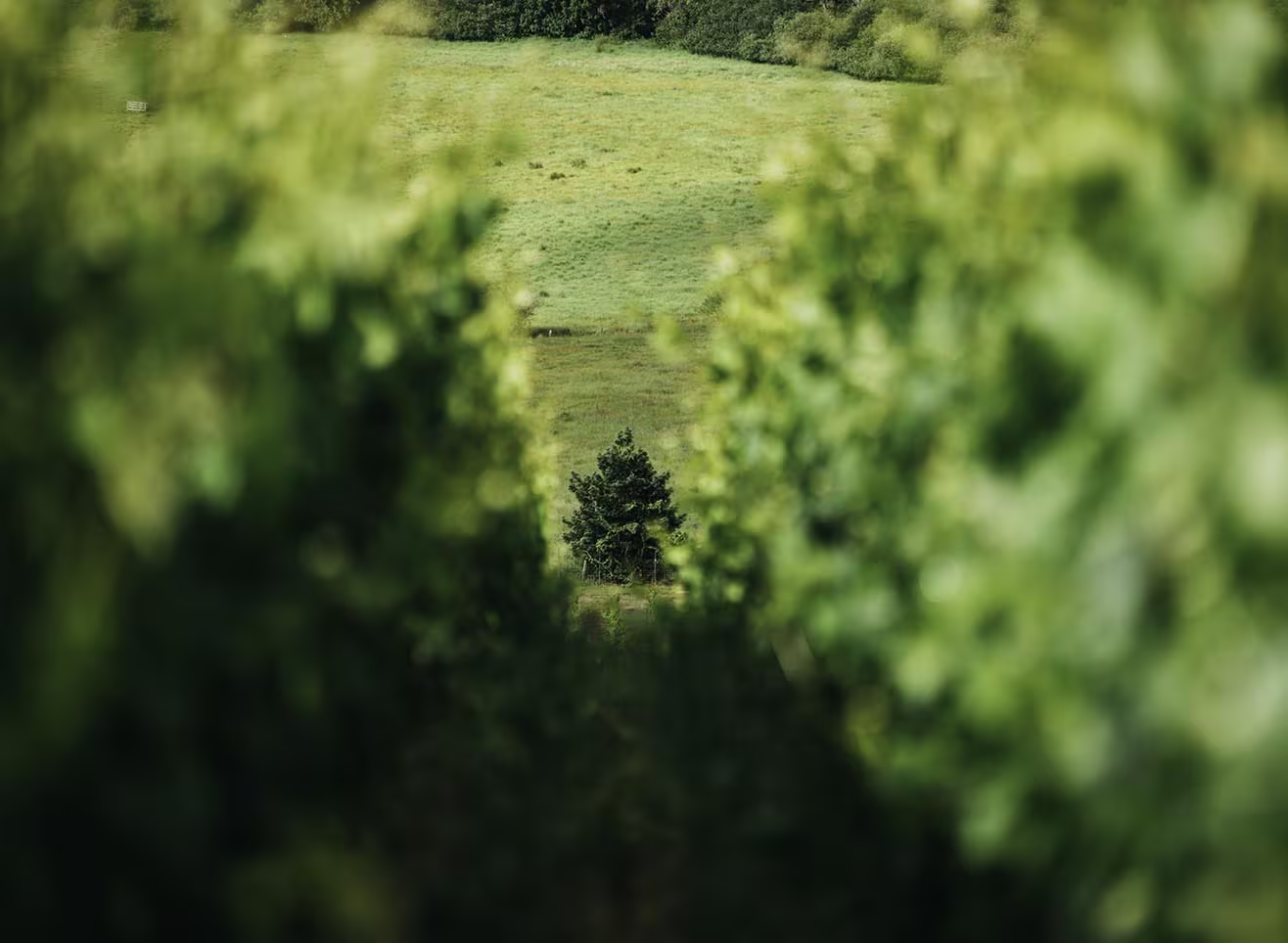
“Not a grape on the property. Lots of nice-looking cattle.”
— Joseph Phelps, Founder
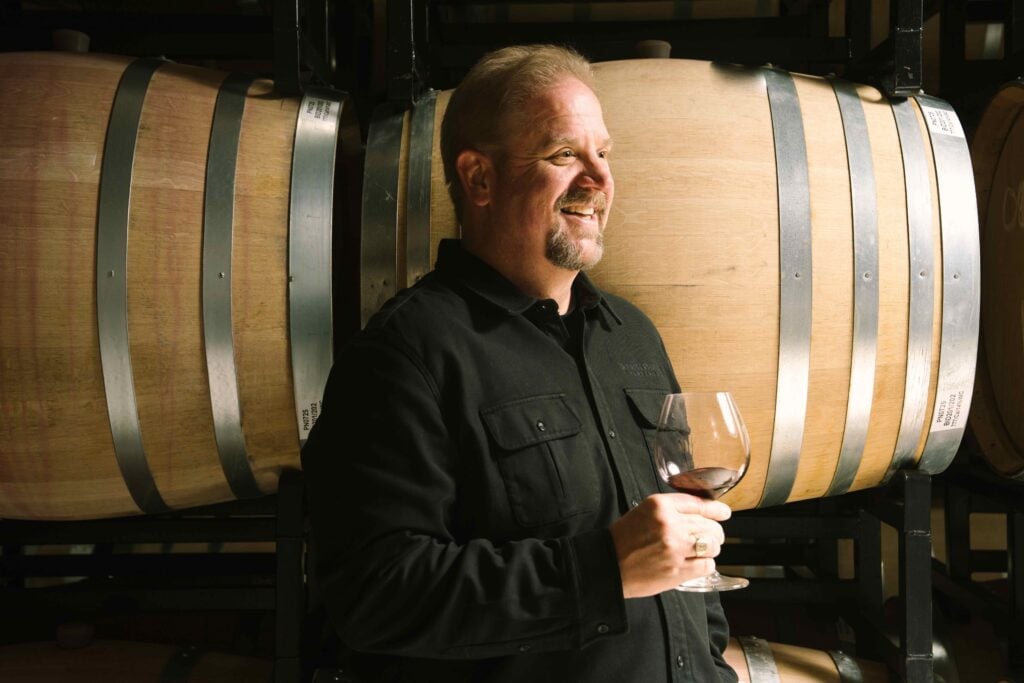
“People said the region was too cold, too wet, too windy for grapes.”
— Justin Ennis, Winemaker Sonoma Coast
Finding Freestone
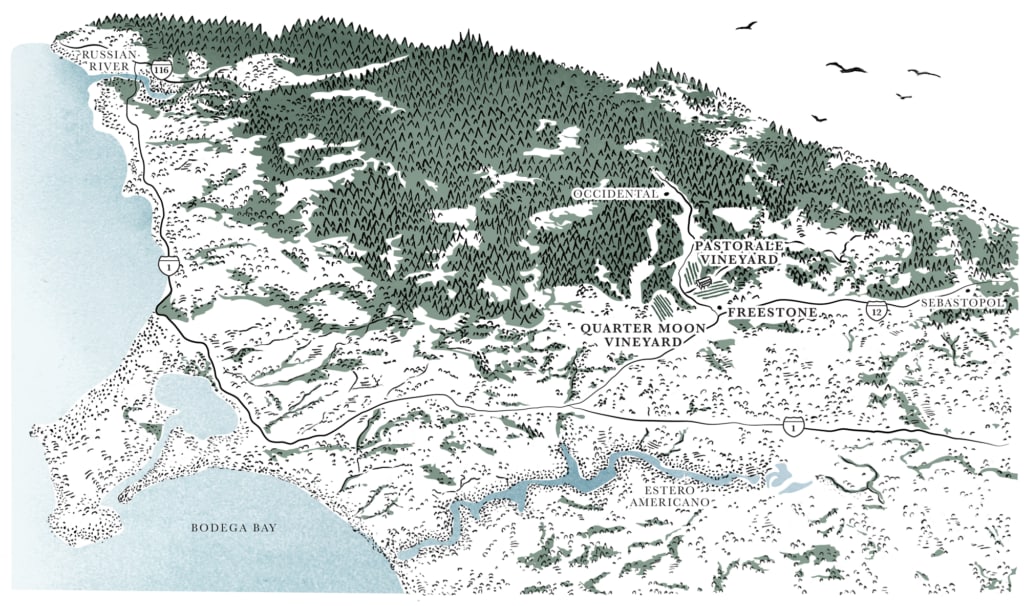
In the mid-1990s the Phelps family renewed a quest to find a suitable place to grow Pinot Noir and Chardonnay. Joseph Phelps Vineyards had a long history with both varieties, producing a Napa Valley Pinot Noir from 1973-1983, and Chardonnays from Napa Valley and Carneros, starting in 1974. But Joe had never been entirely satisfied with the results. A search for vineyards led further West to the town of Freestone on the Sonoma Coast, where few vineyards existed in the late 1990’s.
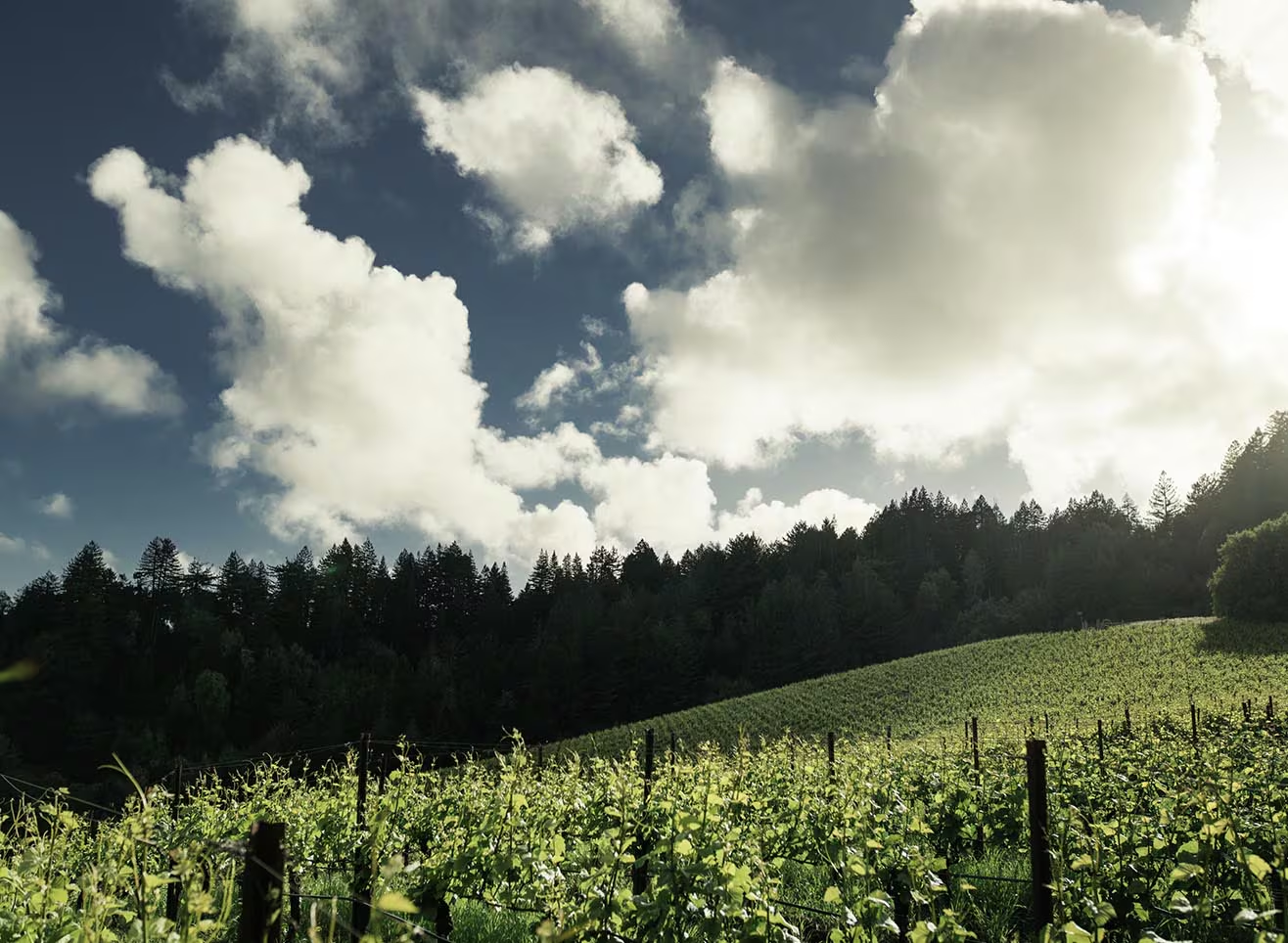
PASTORALE VIneyard
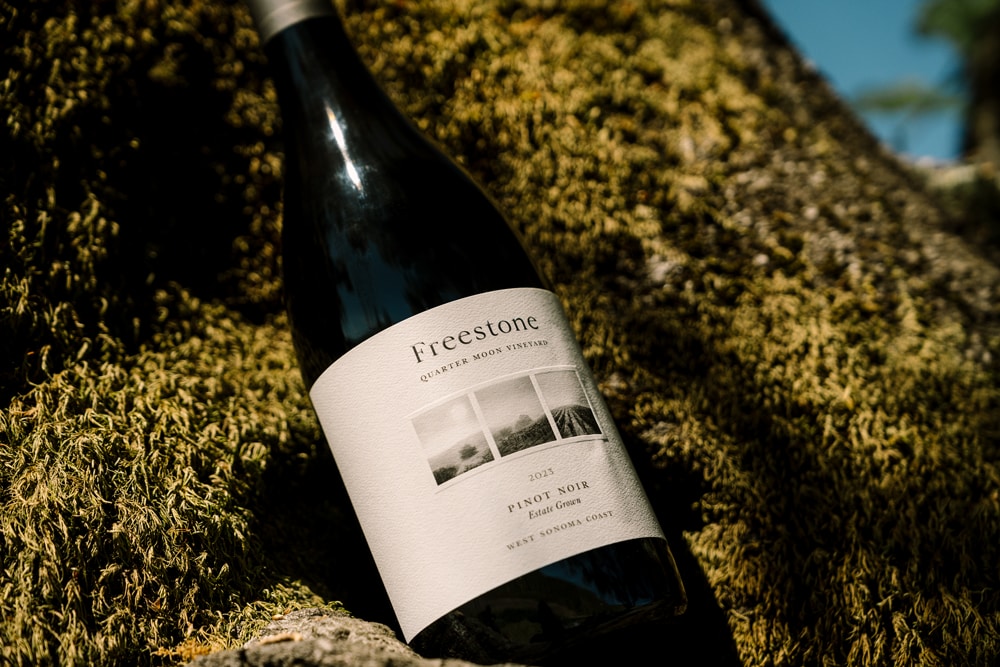
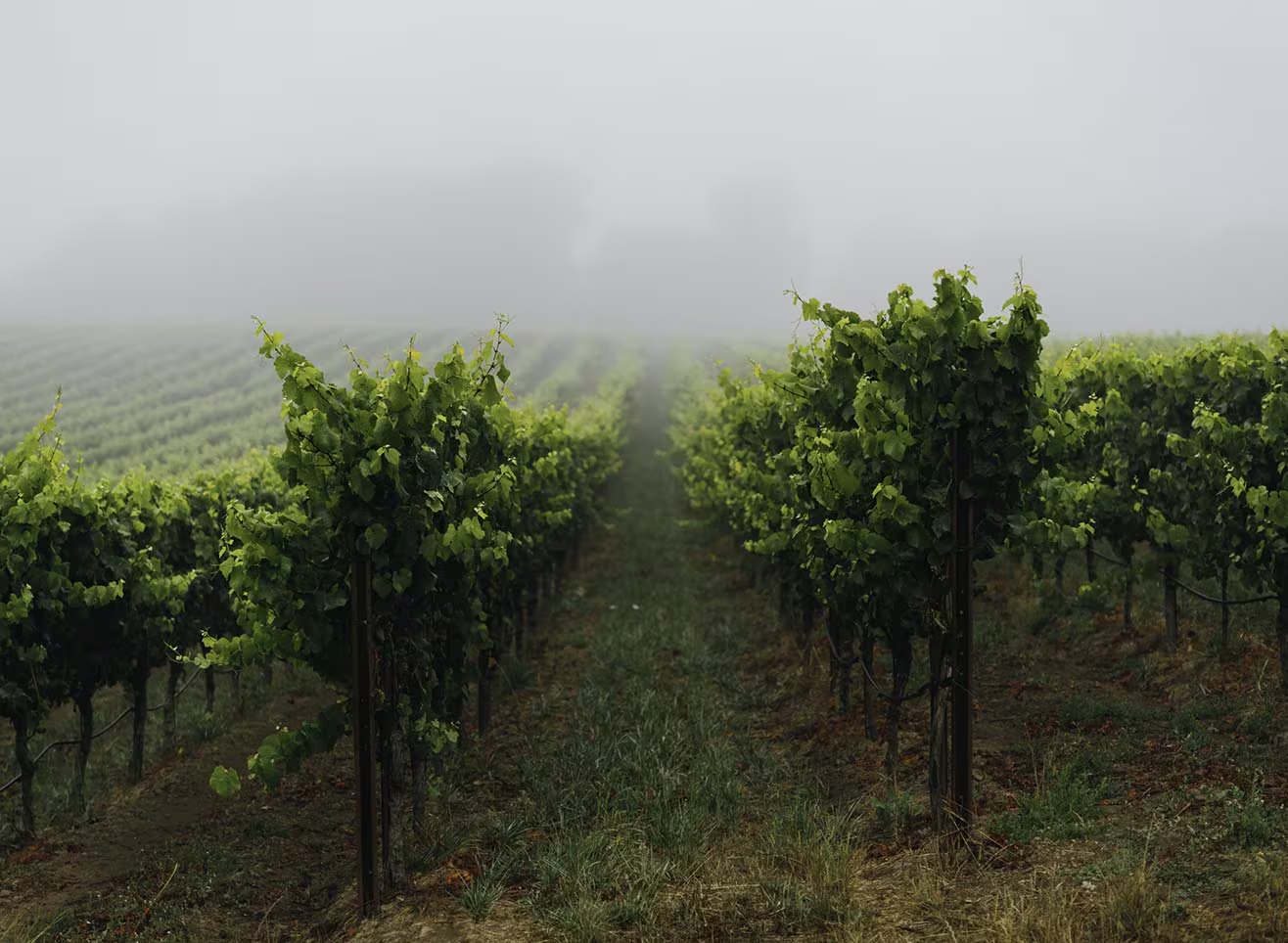
QUARTER MOON Vineyard
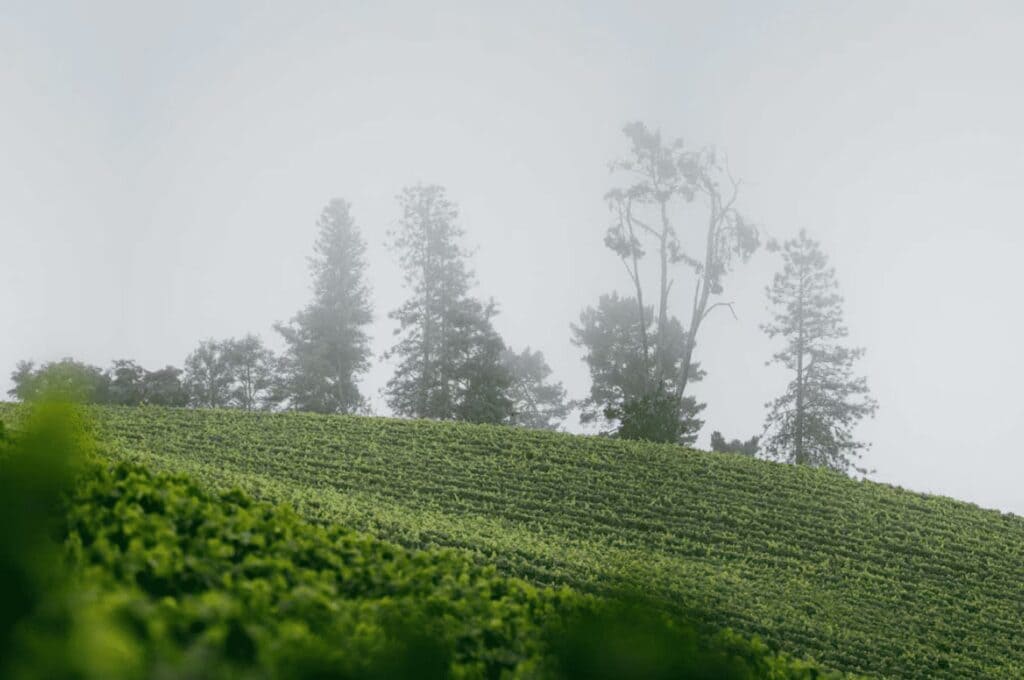
In 1999, land in Freestone was purchased for vineyards and a winemaking facility. Better known for cattle, pasture and forest land, the region – just eight miles from the Pacific Ocean – was socked in by fog that lingered into the early afternoon on most summer days. For grapes, this cool area was relatively untested. But with its Goldridge soils and rumored potential for both Pinot Noir and Chardonnay, it was a region that Joe wanted to explore.
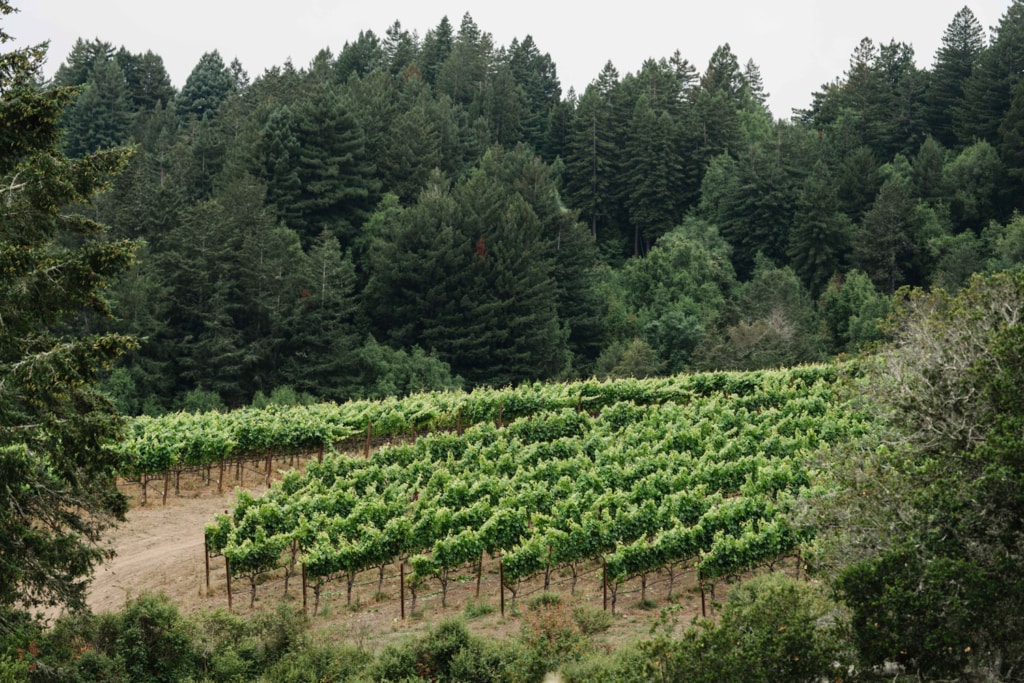
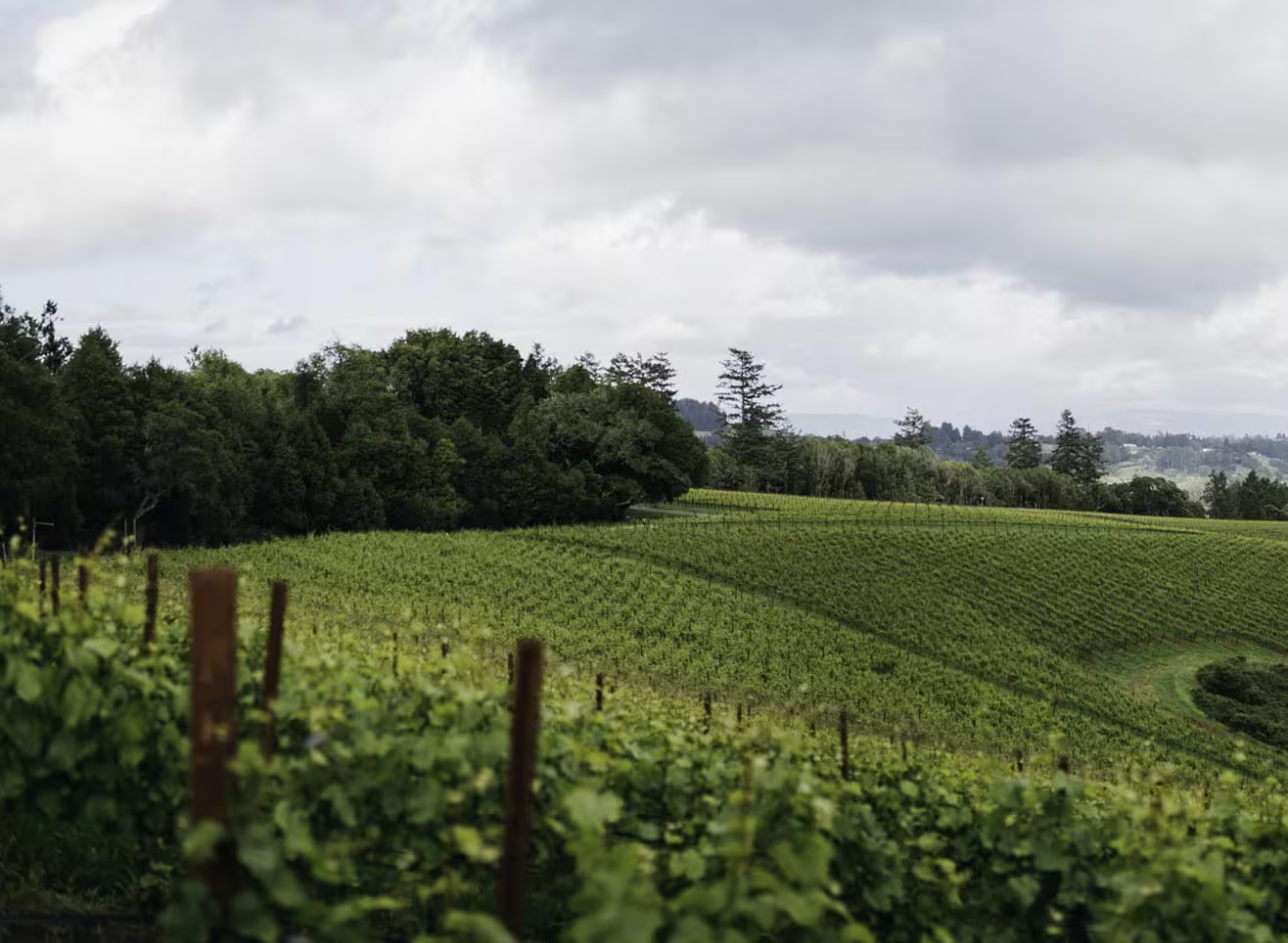
As in Napa Valley so many years ago, pastures were turned into vineyards. The Pastorale Vineyard, a former dairy farm, was planted to Pinot Noir and Chardonnay vines in 2000. When another property just down the road became available the same year, it too was added to the portfolio, and the Quarter Moon Vineyard was planted entirely to Pinot Noir in 2001. Joe’s vision of one day producing a Pinot Noir to stand side by side with the French Burgundies he so admired was taking shape. But as in Napa Valley, the ground had yet to be proven.
The challenge of farming wine grapes on the Sonoma Coast became rapidly apparent, and as in Napa Valley, the first years involved a learning curve as steep as the hillsides on which vines were planted. The environment, climate and soils were utterly different from Napa, and after the first growing seasons several vineyard blocks were grafted over to more favorable clones. Additionally, the team adjusted trellising, pruning and canopy management techniques. It took the winery five years to bring in its first crop.
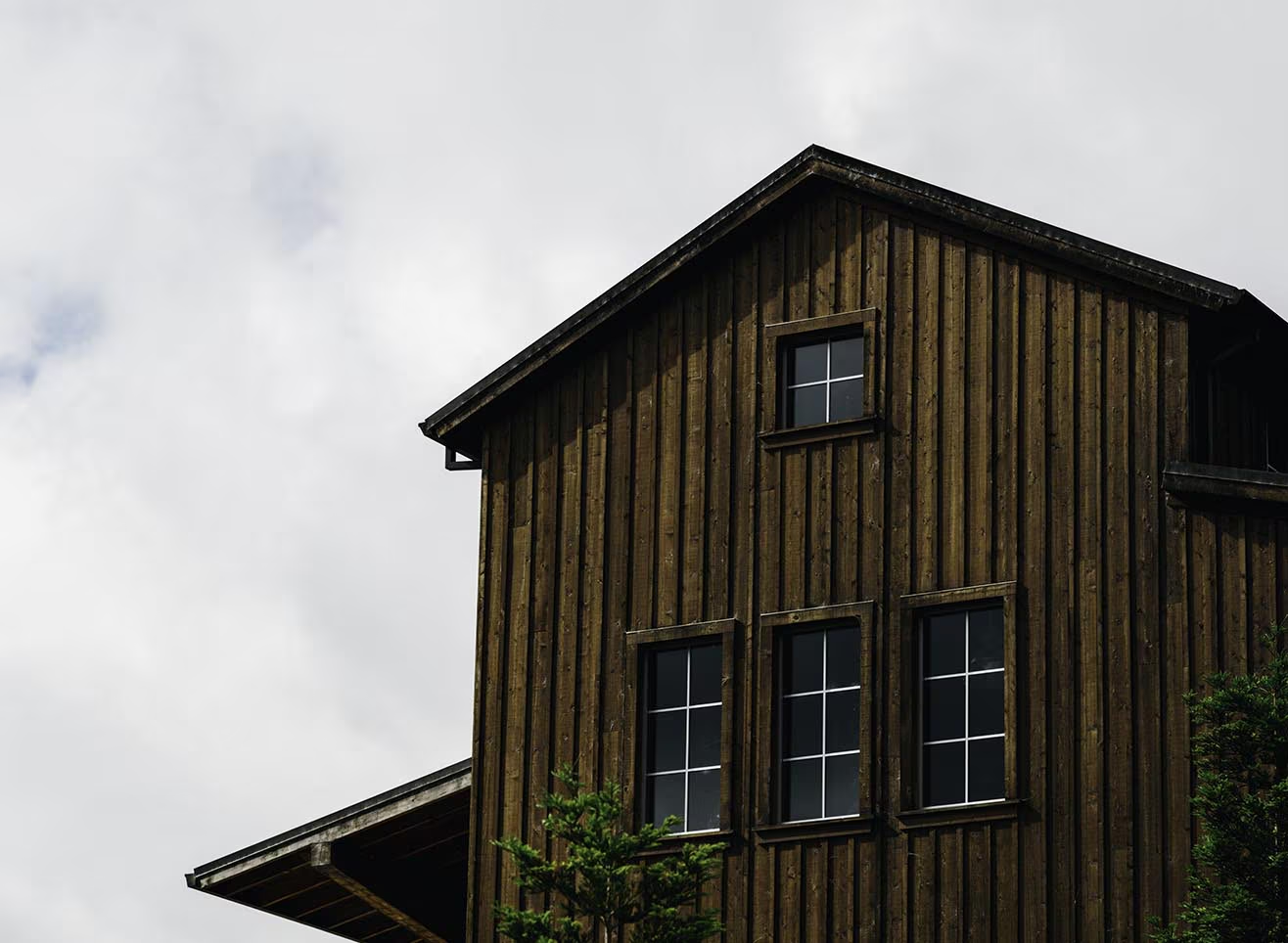
As in Napa, Joe knew that building a winery near the vineyards in Freestone was imperative for maintaining quality. Completed in 2007, a dedicated winemaking facility was built by Hensel Phelps Construction Company as a favor to Joe and a nod to the past. With the Pastorale Vineyard rising steeply above it, the three-story building of redwood and steel is designed so that grapes and wines can be moved by gravity, an ideal way of gently working with thin-skinned Pinot Noir.
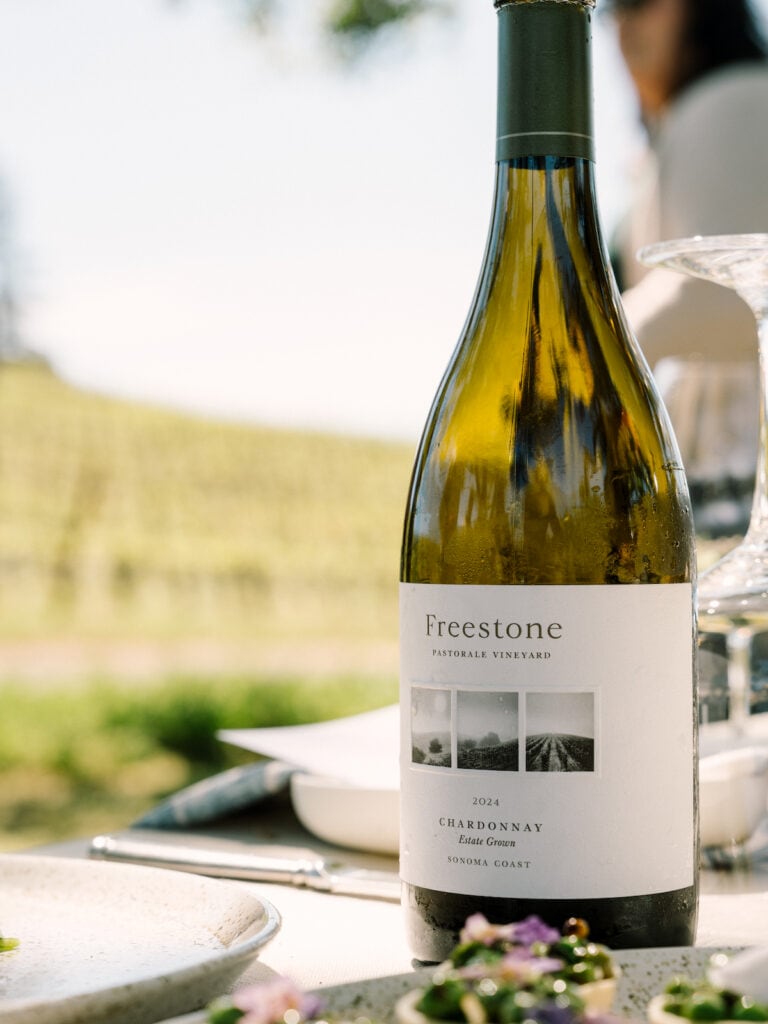
2007 was also the first year single-vineyard Pinot Noir from Quarter Moon Vineyard along with a Pinot Noir and Chardonnay from Pastorale Vineyard were produced. Joining the Pinot Noir and Chardonnay Freestone Vineyards bottlings, these limited-production wines are sourced from two or three blocks in each vineyard, vines that produce wines of exceptional depth, purity and finesse.
In 2015, the winery’s first sparkling wine was produced using Chardonnay and Pinot Noir from the Pastorale Vineyard estate called Ovation, to honor the extraordinary life of Joe Phelps. In 2018, singular block and clonal expression wines from both the Quarter Moon and Pastorale Vineyards were also introduced. These new wines called Proem, are the beginning of a new and distinctive story to tell about our Freestone estate.
Since those first few vintages the reputation of Joseph Phelps’ Sonoma Coast wines have grown in tandem with the stature of the growing region itself. Today, dozens of vineyards share the landscape with dense forests and open pastures, and some of California’s most respected Pinot Noir producers source grapes in this sparsely populated but burgeoning winegrowing region. Joe’s fearlessness and infectious vision – his willingness to put a stake in the ground – proved once again to be prescient.